

Knitting and Crochet Calculators
Calculate Your Gauge

Number of Skeins Needed for a Pattern
Number of Yards Needed For A Design
Number of Yards Needed for A Scarf
Number of Yards Needed for A Hat
Number of Stitches to Cast On
If your project involves ribbing, cables, or other patterns, you may need to adjust the number of stitches to match the pattern repeat. For example, if your pattern repeat is 4 stitches (e.g., k2, p2 ribbing), ensure the total number of stitches is a multiple of 4.
Even Number of Increases Across a Row
Even Number of Decreases Across a Row
Determine How Many Rows You Need
Yardage Needed for a Sweater
Notes on Constructing Sweaters:
- Ease can be positive (for a looser fit), negative (for a tighter fit), or zero (for a very close fit).
- Use your finished measurements (body measurement + ease) to select the size in a pattern.
- If designing your own pattern, ensure that all measurements (length, armhole depth, sleeve circumference) include the desired ease.
- Ensure your gauge matches the pattern gauge, as differences can affect the finished measurements.
Tapered Sleeve Increases & Decreases
For a tapered sleeve, you should increase 1 stitch at each end of the row (a total of 2 stitches per row) at the specified row intervals.
The formula for tapered sleeve increases it the same for decreases.
Socks - Circumference & Fit
Socks - Number of Stitches to Caston
Socks - Number of Rows for Leg
Socks - Number of Rows for Foot
Socks - Heel Flap and Gusset
The heel turn is typically done over half the total number of stitches. The short-row method or the flap and gusset method are common for shaping the heel.
Socks - Toe Decreases
The heel turn is typically done over half the total number of stitches. The short-row method or the flap and gusset method are common for shaping the heel.
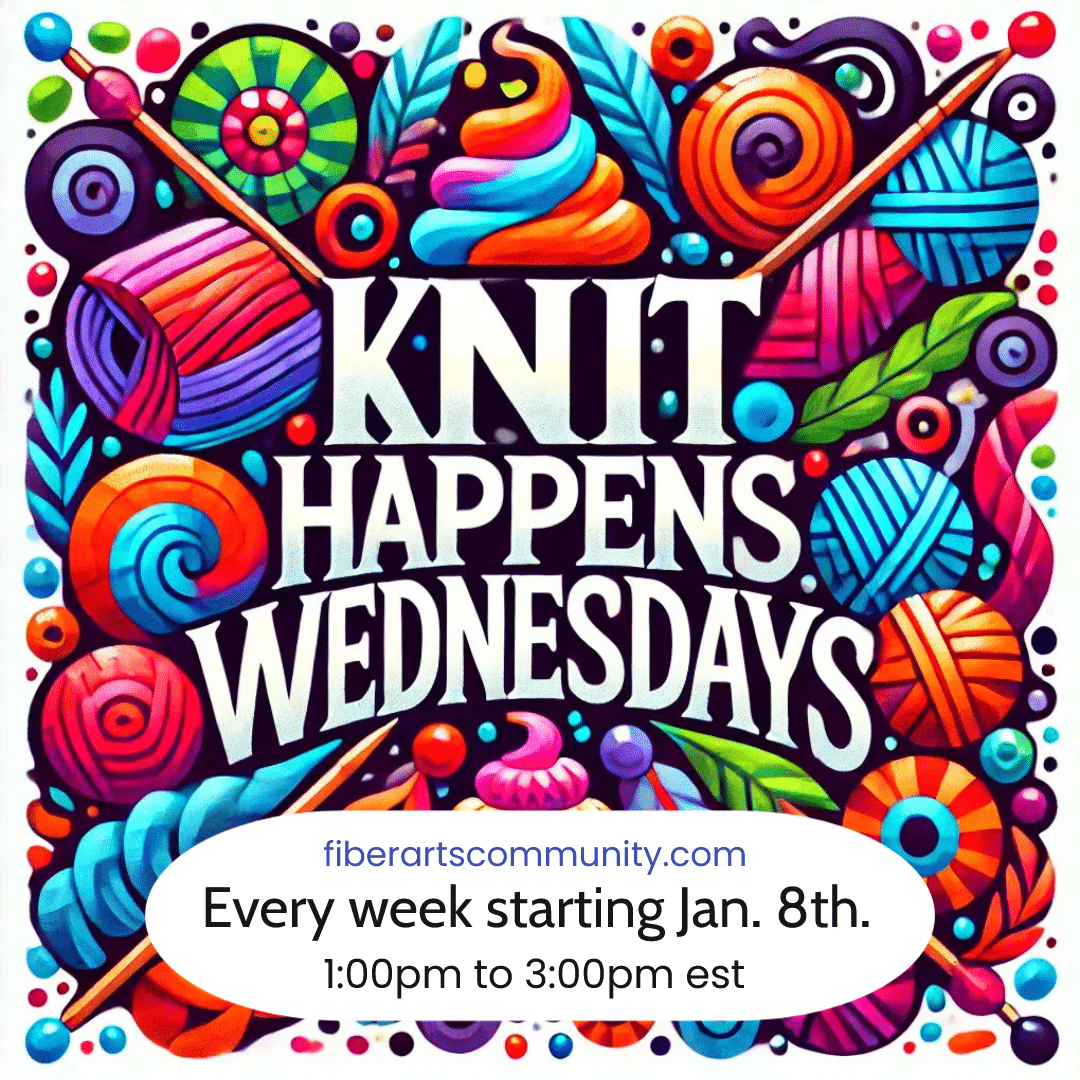
Join us every Wednesday from 1–3 PM EST for a cozy virtual knitgroup in the Fiberarts Community on GoBrunch!
Drop in to stitch, chat, and connect with fellow fiber artists—no RSVP needed. Grab your yarn!

Stay in the loop with the Beyond the Skein Newsletter! Get updates on community events, fiberarts tips, and the latest tools to enhance your creative journey.

From the depths of my wild and wonderful menopausal mind, these are the untamed musings of Artemisnorth.