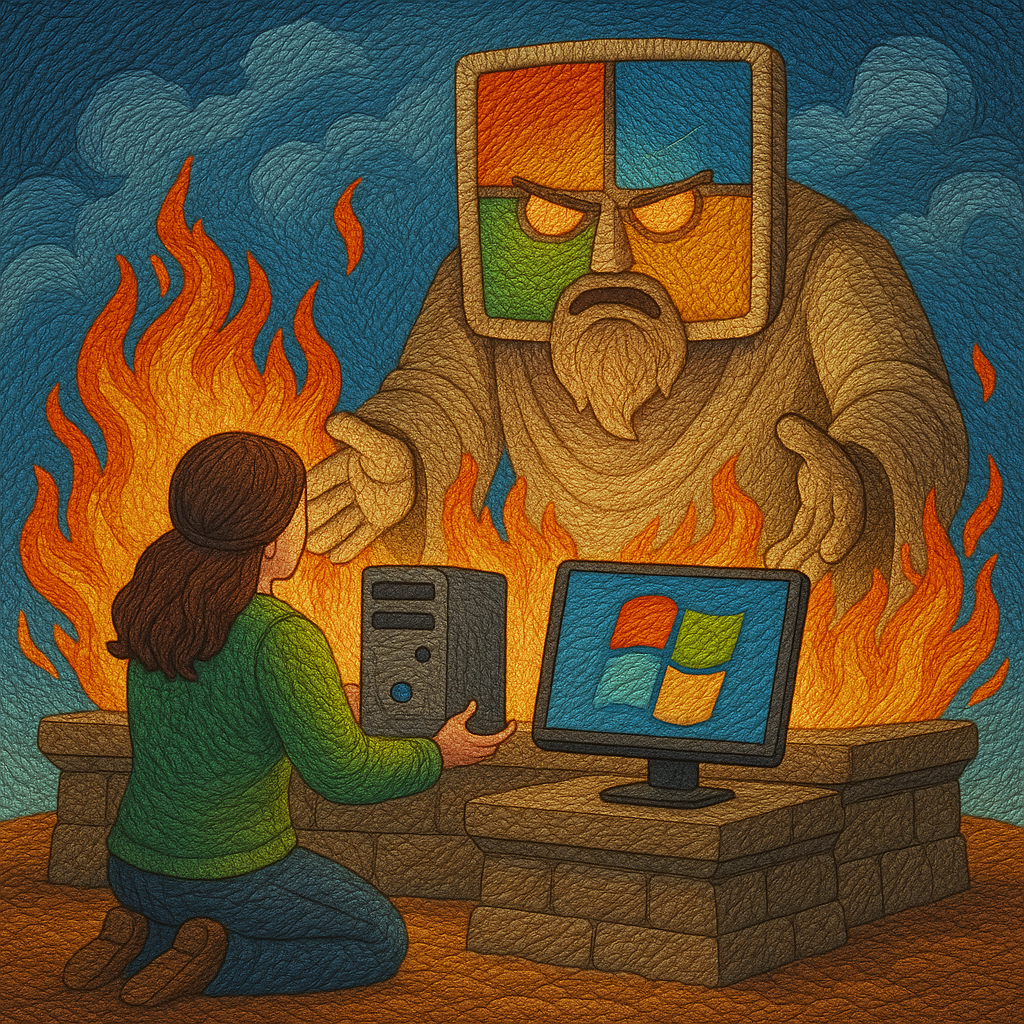
“You Believe the Wrong News”: The Psychology Behind the Shutdown
Yesterday on Hive, I got one of those comments that’s half static, half attitude. The message itself was so garbled I couldn’t even tell what point she was trying to make. Then came the follow-up: I “believe the wrong news outlets.”
Ah yes. The classic. Insult first, then pretend you’re the reasonable one while you imply the other person is brainwashed. It’s a move, and it’s everywhere right now.
I didn’t clap back. I just wished her a nice day and kept it moving. But it stuck in my brain, because it made me wonder: how do people get to a place where they can dismiss credible reporting, video, and eyewitness accounts as “propaganda”… and feel righteous about it?
A recent example is the public outcry around two fatal encounters in Minneapolis involving federal immigration agents, including the deaths of U.S. citizens Renée Nicole Good and Alex Pretti. Major outlets have reported on the cases, and lawmakers have been seeking records and answers, which tells you this isn’t just “internet drama.”
So what’s actually happening in the human brain when someone’s default response is, “Fake news”?
When politics becomes identity, facts feel like an attack
At first, politics is preferences: taxes, healthcare, immigration, whatever. For some people it shifts into identity: This is my team. These are my people. This is who I am.
Once that happens, criticism of the leader or movement doesn’t land as information. It lands as a threat.
Not “Maybe I should reconsider this.” More like:
-
“You’re calling me stupid.”
-
“You’re calling my people evil.”
-
“You’re trying to take away my place in the world.”
If you’ve ever watched someone defend a messy relationship way past the point of reason, you already understand the vibe. It’s not about logic. It’s about protecting the self.
Motivated reasoning: your brain turns into a defense lawyer
Motivated reasoning is basically when the brain stops being a judge and becomes a lawyer hired by your feelings.
Same person, same IQ, same ability to analyze… but the standards change depending on whether the information helps or hurts “their side.”
-
If a story makes their team look good, it’s “obvious” and “common sense.”
-
If a story makes their team look bad, suddenly it’s “biased,” “out of context,” “doctored,” “the media always lies.”
So when someone says “you believe the wrong outlets,” sometimes it’s not a real critique. It’s a reflex that lets them avoid grappling with anything uncomfortable.
Cognitive dissonance: the brain hates the sentence “I might be wrong”
Cognitive dissonance is the mental itch you get when two beliefs can’t comfortably coexist, like:
-
“My side is the good guys.”
-
“My side is connected to something horrifying.”
That clash hurts. So the mind reaches for the quickest painkiller, not the most accurate conclusion.
That’s how people end up with lines like:
-
“That didn’t happen.”
-
“It happened, but it’s exaggerated.”
-
“It happened, but they deserved it.”
-
“It happened, but it was staged.”
“Propaganda” is the ultimate shortcut because it turns a complicated reality into a simple dismissal. One word, no discomfort.
Group belonging is stronger than “being right”
Here’s the part people underestimate: humans are wired for belonging. And belonging is not a cute personality trait. It’s survival software.
If someone’s social world is tied to a political identity, changing their mind can mean real consequences: conflict, shame, isolation, losing their online tribe, losing their offline peace.
So even if doubt flickers privately, it gets crushed publicly. Doubling down becomes the safer option.
This is why the “wrong news” accusation is so popular. It’s not just an argument. It’s a loyalty signal. A little flag they wave to show they’re still part of the group.
“The media lies” becomes a filter, not a thought
Healthy skepticism says: “Let’s verify this.”
But there’s another mode where “mainstream sources are lying” becomes the default setting. Once that filter is installed, any negative information about the leader is automatically tagged as hostile content.
At that point, evidence is not evaluated. It’s rejected.
And the person rejecting it can genuinely feel like they’re being smart and protected. That’s the twist. The rejection itself feels like wisdom.
Conspiracy thinking can feel comforting
A messy world is hard to tolerate. Randomness is scary. Injustice is scary. The idea that powerful systems can hurt people and there’s no clean explanation is… a lot.
Conspiracy stories offer emotional relief:
-
Someone is in control.
-
Nothing is random.
-
You are one of the few who “sees the truth.”
That last one is addictive. Confusion turns into superiority, and suddenly doubt feels like weakness.
The goal isn’t to “win,” it’s to stay human
I’m not writing this to start a war, and I’m not interested in dunking on strangers for sport. I’m writing it because I want people to understand what they’re up against when a conversation collapses into “wrong outlets” and “propaganda.”
Because here’s the truth: you can’t fact-check someone out of a position they’re using to protect their identity and social safety.
You can sometimes lower the temperature by shifting the conversation from teams to values:
-
“Do you believe citizens should be safe from excessive force and have accountability when things go wrong?”
-
“What evidence would you consider trustworthy, and why?”
-
“Can we talk without insults, or are we done here?”
That last one matters. Boundaries are not mean. They’re adult.
Wrap-up: Carney, Havel, and the little sign in the window
This is why Prime Minister Mark Carney’s Davos speech hit me so hard. In his address at the World Economic Forum on January 20, 2026, he referenced Václav Havel’s essay The Power of the Powerless and the “greengrocer” story: a shopkeeper displays a political slogan he doesn’t believe because it’s safer to comply than to stand out. Havel’s point was that systems survive when ordinary people keep performing the lie. (You can read the full speech here.)
That’s what a lot of “you believe the wrong news” comments are, if we’re being honest. It’s a sign in the window. It’s a performance of belonging.
And if we want a better world, we need more people willing to take the sign down, ask hard questions, and “live in truth,” even when it’s uncomfortable.
Not perfectly. Just honestly.
Until next time friends...